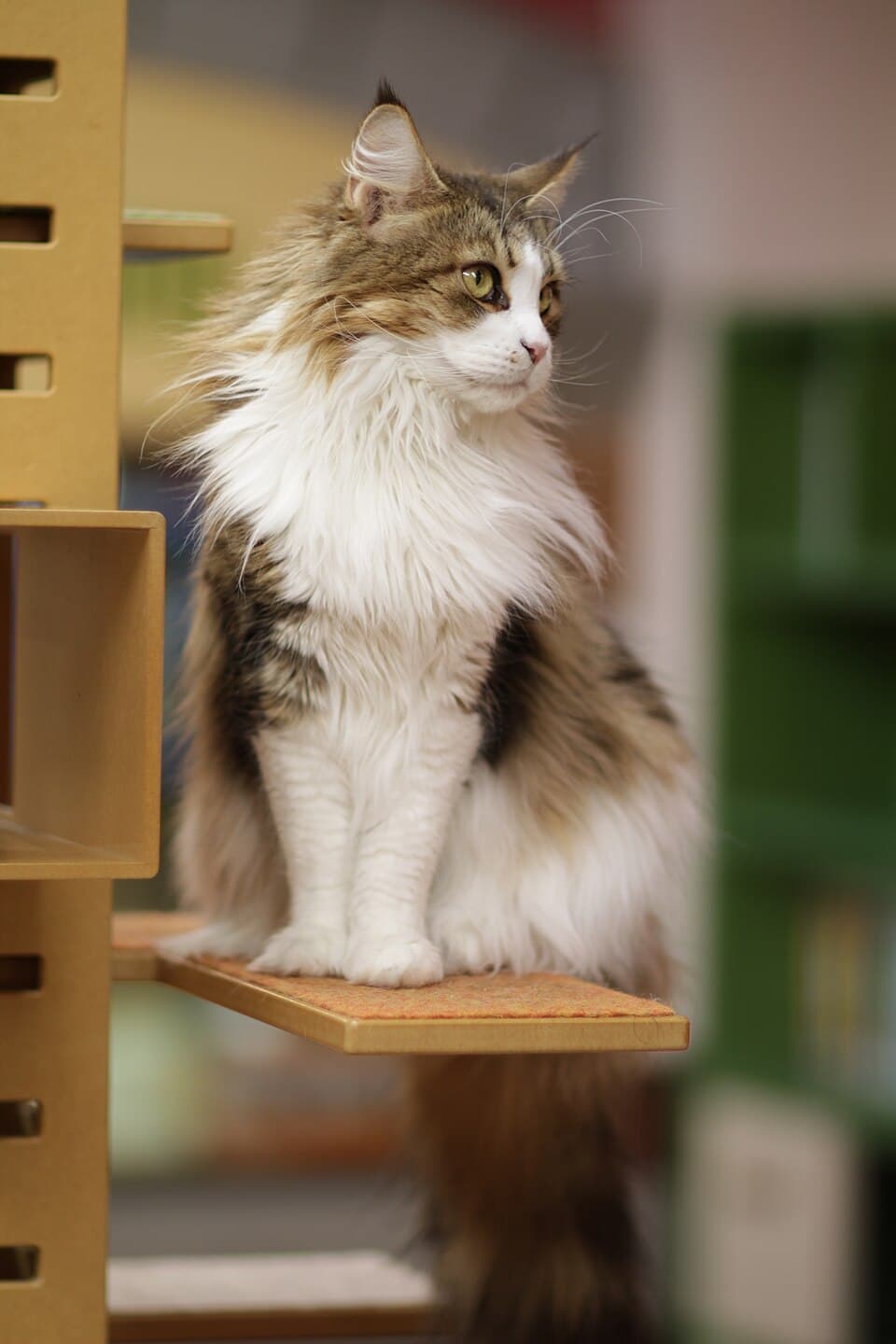
Cats are obligate carnivores — they evolved to live on prey, not grains and carbohydrates. Good cat nutrition therefore means sufficient protein from animal sources, the right moisture content and limited amounts of plant material.
Wet food vs. dry food
Wet food (pâté, chunks in sauce or jelly) is what most closely resembles a cat's natural diet. It typically contains 75–80% water, which is important for kidney health. Cats are not naturally good at drinking enough, and a cat that primarily eats dry food is often mildly dehydrated over time.
Dry food (kibble) is convenient and affordable, but should not be the only thing in the bowl. Cats that eat exclusively dry food are more prone to chronic kidney disease and urinary problems.
Recommendation: A combination of good wet food as the base and dry food as a supplement is a solid starting point.
What to look for on the label
Ingredients are listed by weight, with the highest quantity first. Look for:
- Named meat as the first ingredient: 'chicken', 'salmon', 'beef' — not just 'meat and animal by-products'
- Meat content: 50–80% is good for wet food, 30–40% in dry food is solid
- Vegetables, potato and grains: cats have minimal need for these. Some is fine; a lot is not ideal
- Taurine: an essential amino acid for cats found naturally in meat — check that it is on the ingredient list
Feeding by age and breed
Kittens (0–12 months): need food labelled 'kitten' or 'all life stages' — higher calorie and nutrient density for growth.
Adults (1–7 years): standard adult food is appropriate. Avoid overfeeding — obesity is a common and serious problem in indoor pedigree cats.
Large breeds (Maine Coon, Norwegian Forest Cat): mature more slowly. Feed kitten food longer, up to 18 months.
Seniors (7+ years): increased moisture content in the food is always beneficial. Check kidney and liver values regularly via blood test.
Water
Cats often ignore their water bowl, especially if the water is stale or placed next to the food bowl. Tips:
- Place the water bowl somewhere other than next to the food
- Fountains work well — many cats prefer running water
- Change water daily
- Wide, large bowls are preferred by many cats