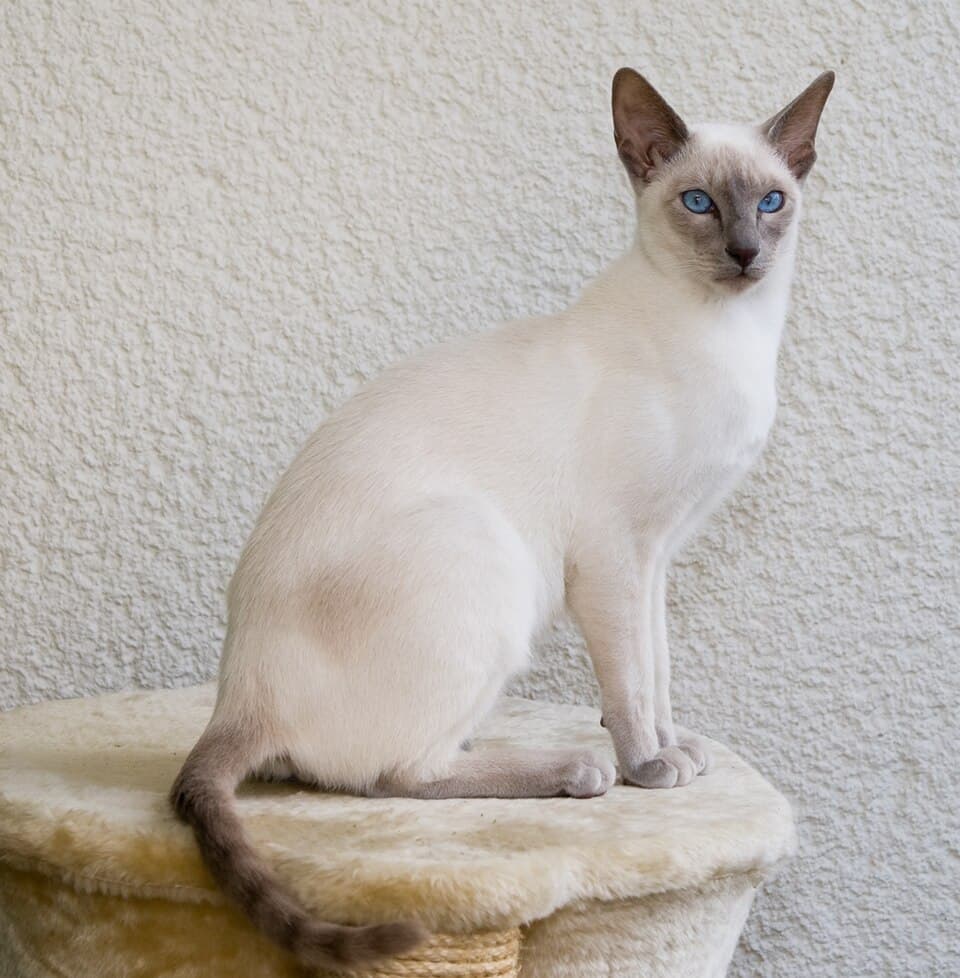
Cats communicate continuously — but they do not signal with barking and jumping like a dog. Subtle posture, tail position, ear direction and eye state tell you a great deal about what your cat is actually thinking and feeling. Learning this is the key to a better relationship.
The tail
The tail is one of the quickest indicators of mood:
- High, vertical tail: confident, content, greeting you. A tail with a small hook at the tip means extra joy
- Puffed and arched: frightened or aggressive — the animal is trying to look bigger
- Low tail, between the legs: submission or anxiety
- Fast-sweeping tail: frustration or irritation — do not take it as an invitation to play
- Slow-sweeping tail: focused attention (hunting mode or observation)
The ears
The ears move independently of each other and are precision instruments:
- Forwards and upwards: interested, engaged, relaxed
- Angled to the sides ('aeroplane ears'): displeased, irritated or tense. Stop what you are doing
- Flat backwards: fear or aggression, ready to bite
The eyes and the slow blink
A slow blink is the cat's signal of security and trust. When the cat looks at you and blinks slowly, it is an invitation — you can do the same back. It is a form of greeting that builds trust over time.
Large, dilated pupils can mean excitement (play or fear). Narrow, slit-shaped pupils in normal light can mean concentration or mild aggression.
Other signals
- Kneading (treading with the front paws on a soft surface): an inherited sign from kittenhood — the cat associates you with security and warmth
- Rolling over, exposing the belly: the cat is extremely relaxed and comfortable. But many cats do *not* invite a belly rub even if it can look that way
- Cheek rubbing: the cat marks you with its scent from the cheek glands. You are 'owned' by your cat — it is a compliment
- Slow approach with a lowered gaze: a friendly greeting, not a challenge