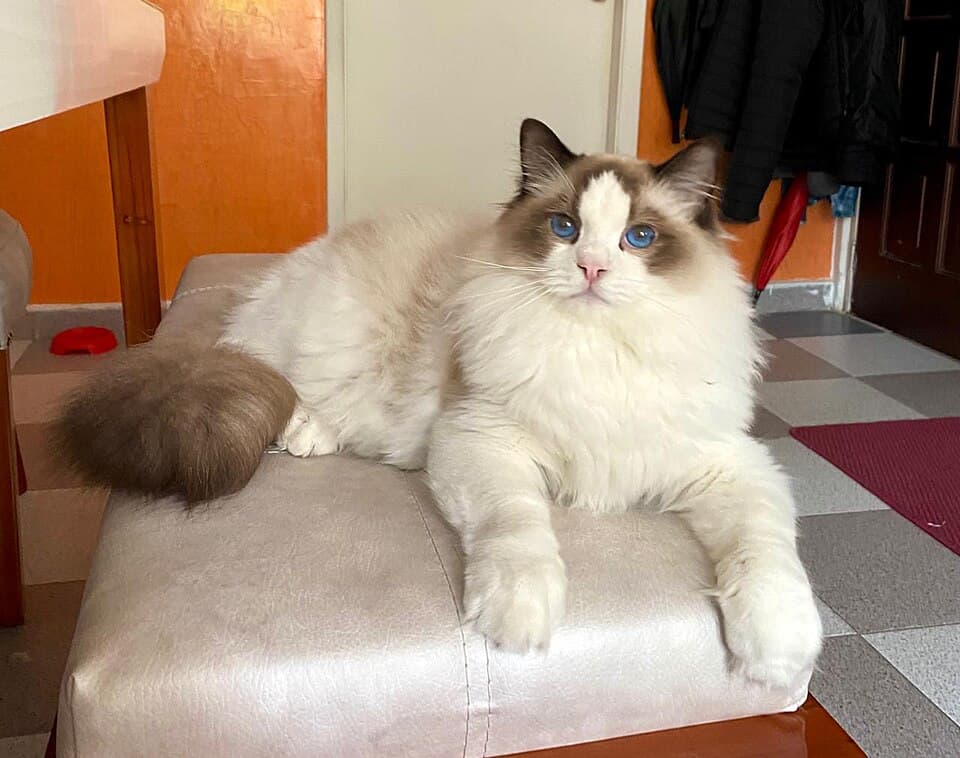
Acquiring a pedigree cat is different from adopting a cat from a rescue centre. It is neither better nor worse — but it is different. A pedigree cat comes from a breeder who knows the parents, grandparents and often many generations back. It is documented, health-tested and socialised according to a plan. But what does that actually mean for you as a new owner?
The pedigree — a map of origins
The pedigree is the official document from NRR (Norwegian Pedigree Cat Register) that shows the cat's lineage over three to five generations. It is not just snobbery — it provides valuable information: which lines the animal descends from, whether it is likely to be inbred, and what health results ancestors have had.
For you as an owner it means predictability. A Maine Coon from a good line will most likely have the temperament and body the breed standard describes. It is not a guarantee, but a solid probability.
What the breed standard actually says
Every breed has a breed standard — a document approved by FIFe that describes everything from eye colour and body structure to permitted coat length and desired personality traits. The standard is what breeders work towards over generations.
For you this means you can research your breed *before* you collect the kitten, and have realistic expectations. A Ragdoll should have a calm and trusting temperament. A Bengal will likely need more mental stimulation than the average cat.
Health testing — responsibility from day one
Serious breeders health-test their breeding animals for breed-specific diseases. That means you as a buyer — if you have purchased from an NRR-registered breeder — have received an animal where the risk of certain hereditary diseases has been actively reduced.
This is perhaps the most important difference from irresponsible trading: not just aesthetics, but generations of work for the breed's future health.